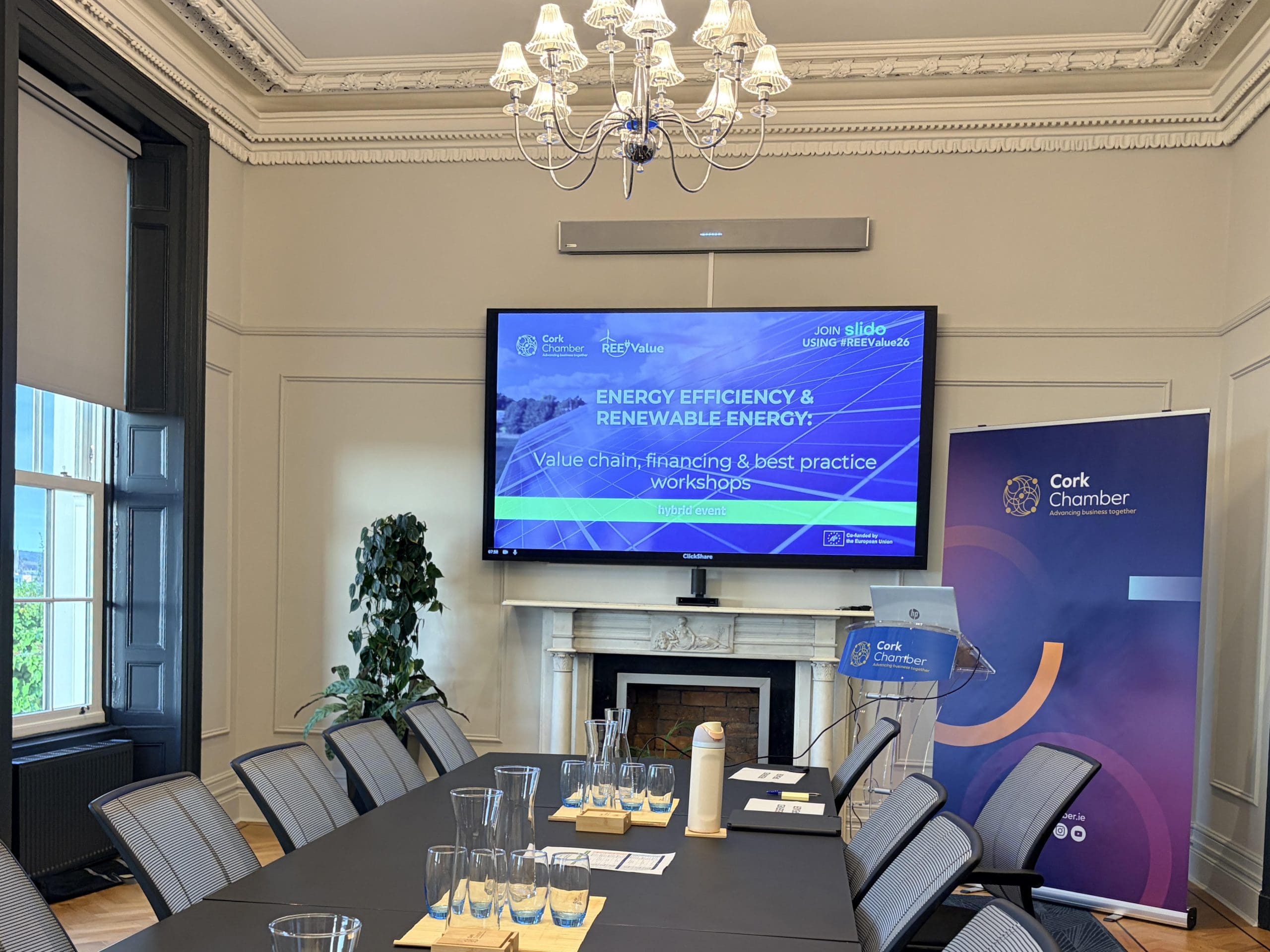
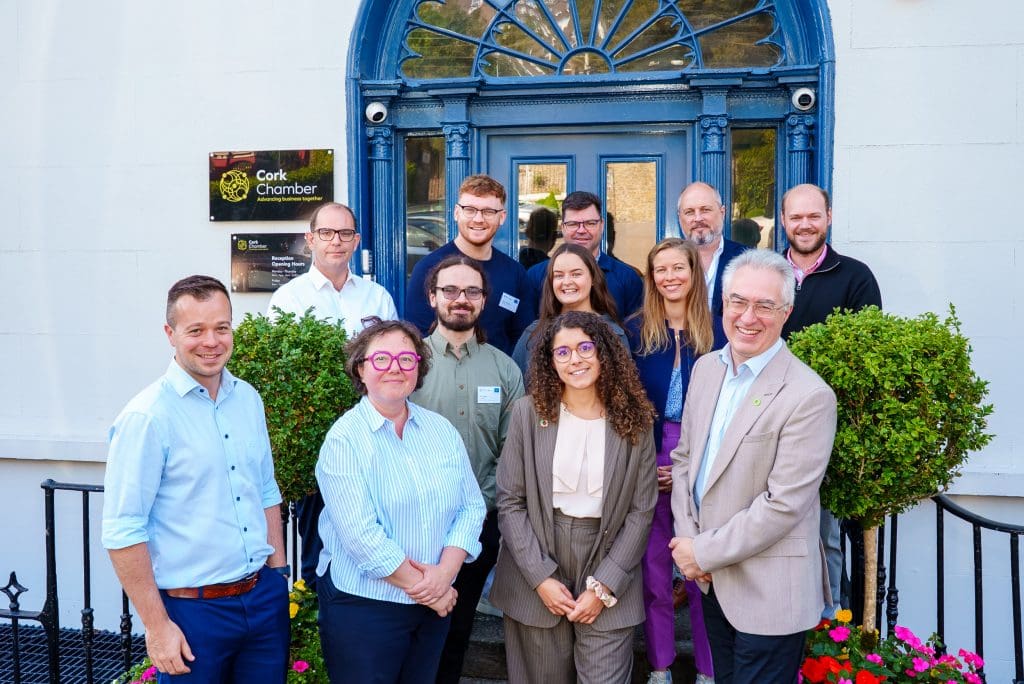
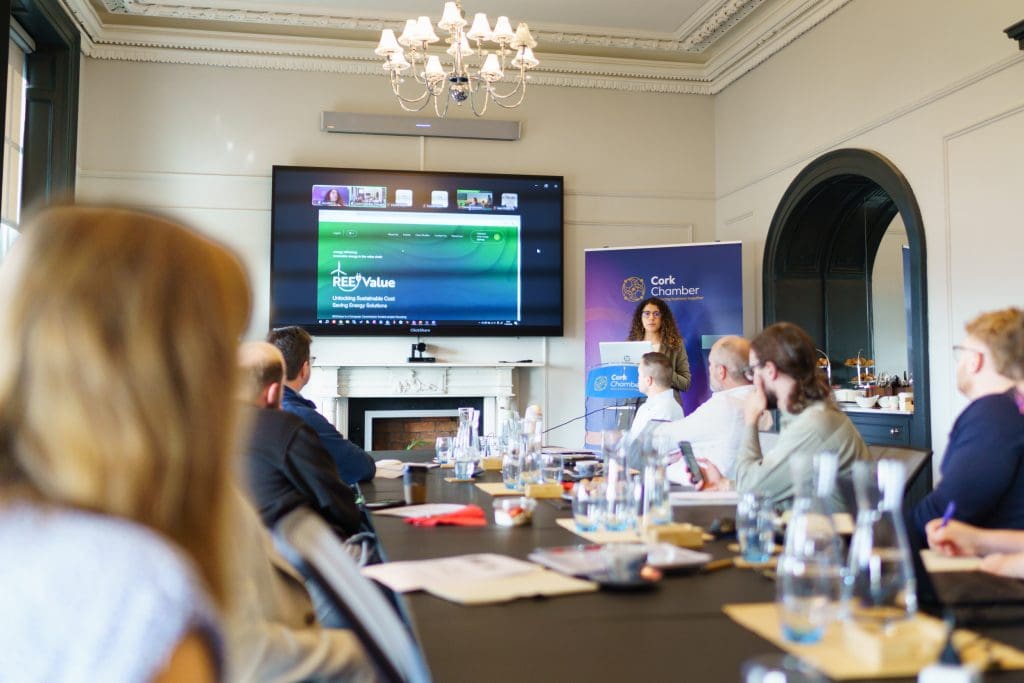
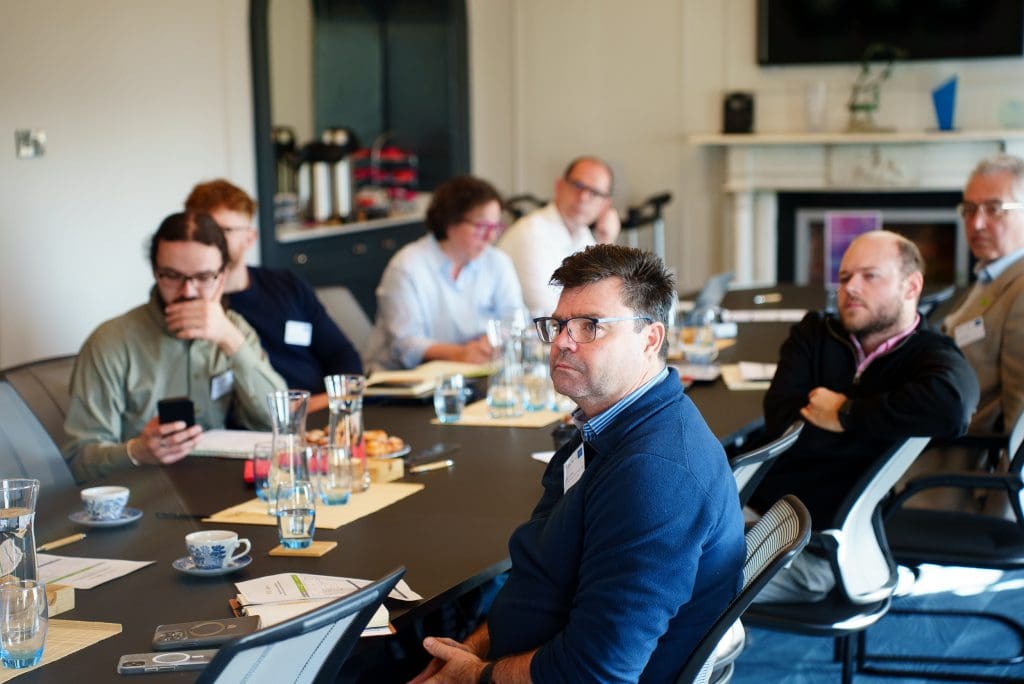
How can businesses accelerate energy efficiency and renewable energy investment, and where are the biggest opportunities still being missed? That was the focus of the final REEValue hybrid workdshops held on September 11 by Cork Chamber in person and online, bringing together 11 speakers from six European countries. Across three sessions focused on value chains, finance and practical examples, one message came through clearly: the technology and funding are there. The bigger opportunity is in how businesses work together, measure performance and turn opportunities into action. For businesses across the food, beverage and transport sectors, some of the most valuable energy savings may not require major capital investment. They can start with better measurement, smarter operation of existing equipment and collaboration across the value chain.
Some of the most valuable examples shared during the day involved relatively simple operational changes. For example, a Portuguese cheese producer reduced specific electricity consumption by around 34% by improving ventilation around condensers. The same principle applies to transport and ecodriving which is a measure that can deliver 5-10% fuel savings without requiring any vehicle modification. Another message from the workshops was clear: you cannot optimitse what you cannot see. That makes measurement the starting point. Before investing in new technology, businesses need to understand where and when energy is being used and where performance can be improved.
Another important takeaway was that energy efficiency decisions are rarely made on energy savings alone. Results from energy audits involving 38 large enterprises and seven SMEs indicate that where measures were implemented, energy efficiency was often not the primary driver. Businesses were also responding to issues such as grid instability, corrosion, maintenance costs and employee comfort. This is an important consideration for businesses developing investment cases. Energy savings matter, but the strongest projects can deliver multiple benefits: lower operating costs, greater resilience, improved working conditions, reduced maintenance requirements and greater security of supply. The question therefore becomes not simply “How much energy will this save?”, but “What wider business value will this create?”
Perhaps the biggest opportunity discussed at the workshops lies beyond the individual business. The challenge is often not a lack of technology, but the governance and collaboration needed to make solutions happen. However, there are already strong examples across Europe. For example, in Malta, an investment in more efficient coolers by a beverage company delivered 40–60% lower electricity consumption for customers who would not necessarily have been able to finance the investment themselves. And in Italy, Sammontana’s supplier engagement programme now involves 70 companies and has developed into a Decarbon Club of 18 suppliers working together on Scope 3 emissions using a shared methodology. These examples demonstrate the potential when businesses stop looking at energy efficiency as an individual-site challenge and start looking at the value chain as an opportunity for collaboration.
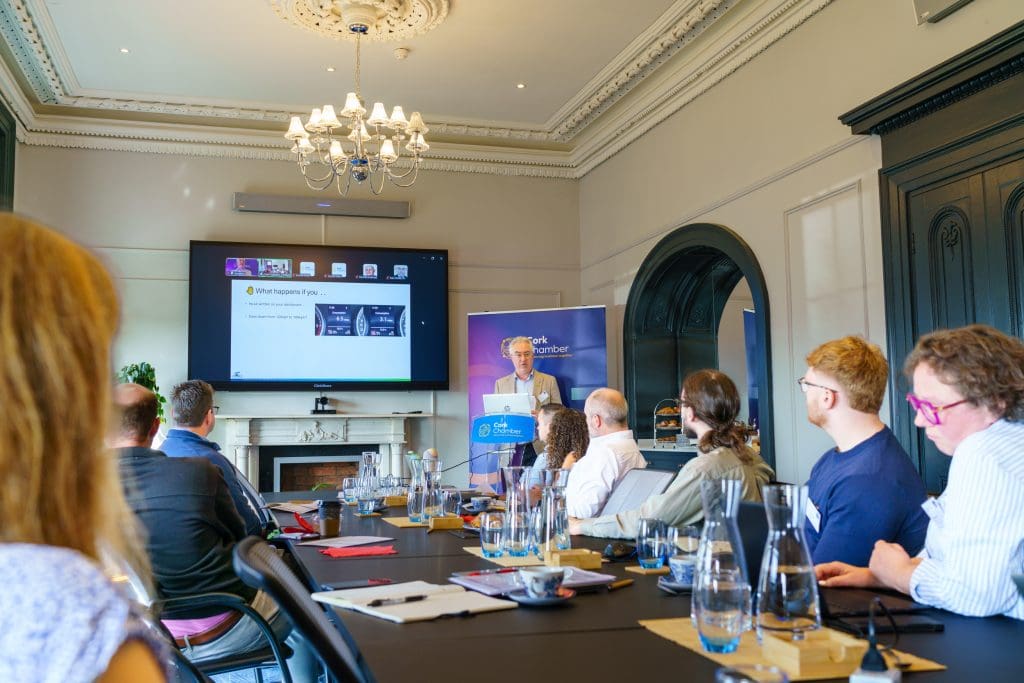
The workshops also highlighted the range of supports already available to Irish businesses, including SEAI’s energy audit vouchers and grants, the Local Enterprise Office Green for Business programme and the Energy Efficiency Obligation Scheme (EEOS). The challenge is therefore not simply about access to finance. Businesses need a clear baseline, a defined opportunity and a credible estimate of the potential savings. Without good measurement and data, it becomes much harder to develop a project that is ready for funding.
That is where practical support and collaboration across the ecosystem can make a real difference.
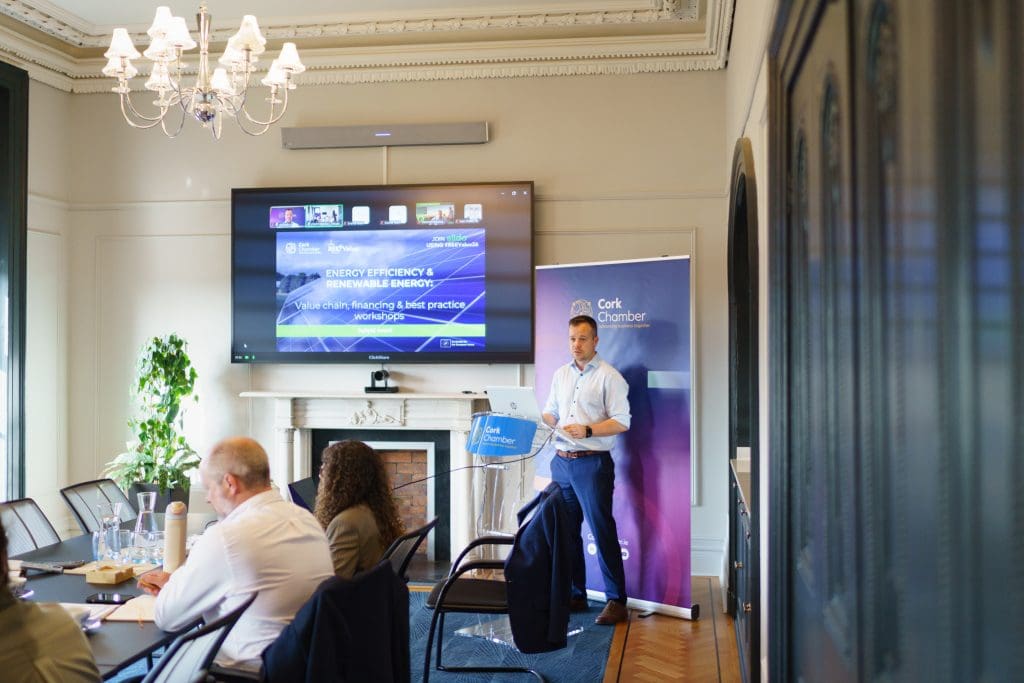
For businesses looking to accelerate their energy transition, the practical steps are straightforward: Measure what you use. Optimise what you already have. Build the business case around more than energy savings. Use the supports available. And then look beyond your own business.
The next opportunity may sit with a supplier, a customer, a neighbouring business or another part of the value chain. The role of initiatives such as REEValue is to help make those connections, bringing businesses, experts and support organisations together so that opportunities that might otherwise remain unidentified can become practical projects.