Simonds Farsons Cisk plc
The Farsons Group is located in Malta and traces its origins back to 1928. Simonds Farsons Cisk plc is the holding company of the Group and is engaged in the brewing, production, selling and distribution of beers and other beverages. With an exceptional portfolio of beverage brands, the Group is proud to represent some of the finest names in the industry which include its own iconic and award-winning range of beers and beverage brands such as Cisk and Kinnie, together with brands from global players including Pepsico and Carlsberg. Farsons is committed to ensuring that the highest product standards and service prevail across its prestigious portfolio in line with its long-standing reputation for quality and excellence, together with its commitment to a robust and on-going sustainability strategy.
Farsons’ current sustainability strategy and sustainability efforts focus on five key areas:
Environmental sustainability is a fundamental pillar of Farsons’ long-term strategy. Farsons is committed to a structured programme of investment, innovation and accountability, focusing on increasing sources and use of renewable energy, introducing more sustainable packaging, improving water efficiency, and strengthening related data systems and reporting. Significant progress has been made, largely through improved equipment efficiency and energy consumption, application of best practices in decarbonisation and investment.
The data below shows the % reduction in usage per HL produced in 2024 versus 2022:
| Thermal Energy/hl | (20.0%) reduction |
| Electricity/hl | (15.4%) reduction |
| Combined Energy/hl | (19.5%) reduction |
| CO₂ emissions/hl | (15.7%) reduction |
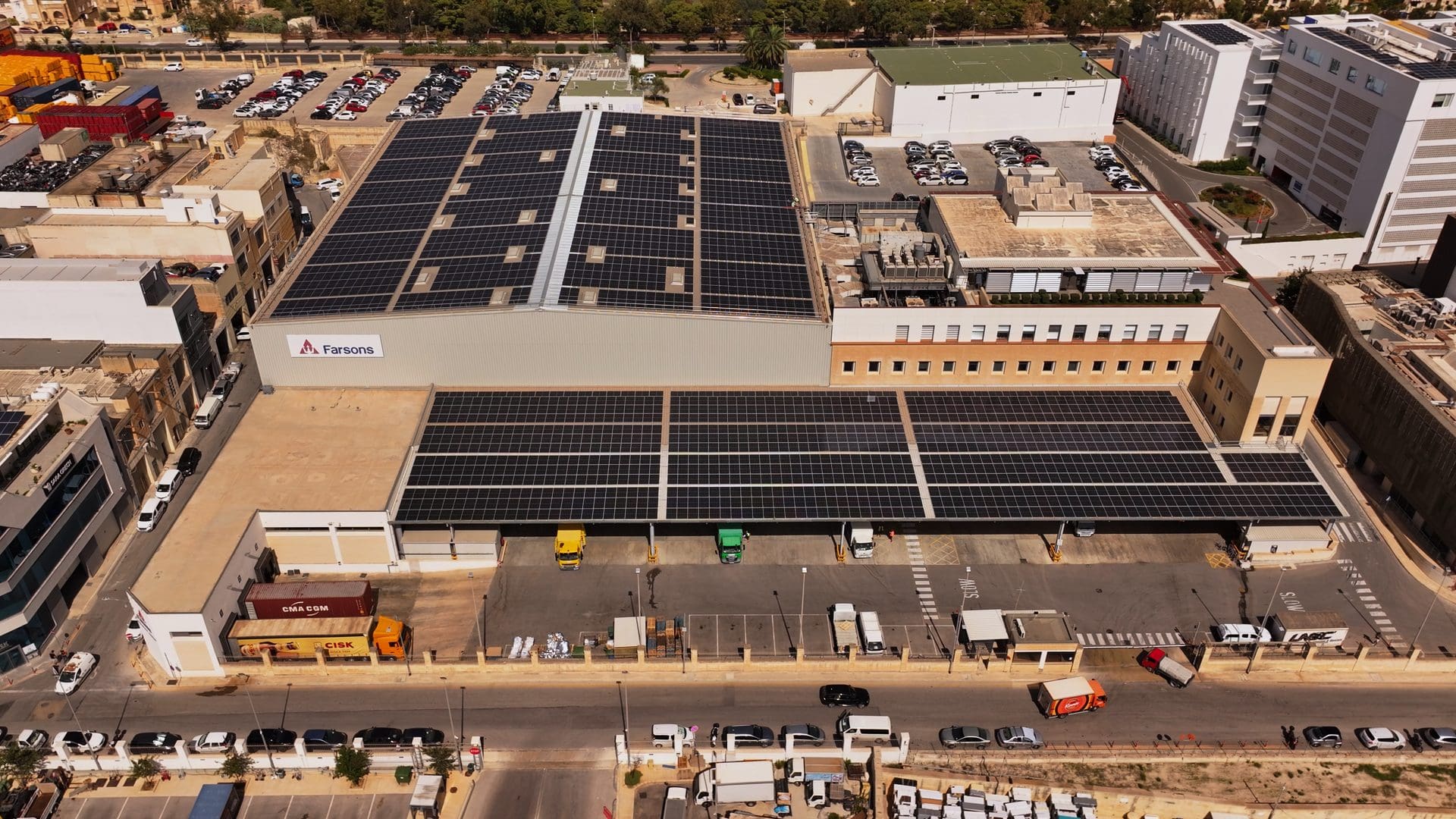
Farsons continues to make significant progress in its shift toward renewable energy and is targeting 25% renewable electricity consumption from total consumption for 2026, up from 5% in 2021. Multiple investments are currently underway, all targeted at reducing the brewery’s carbon footprint.
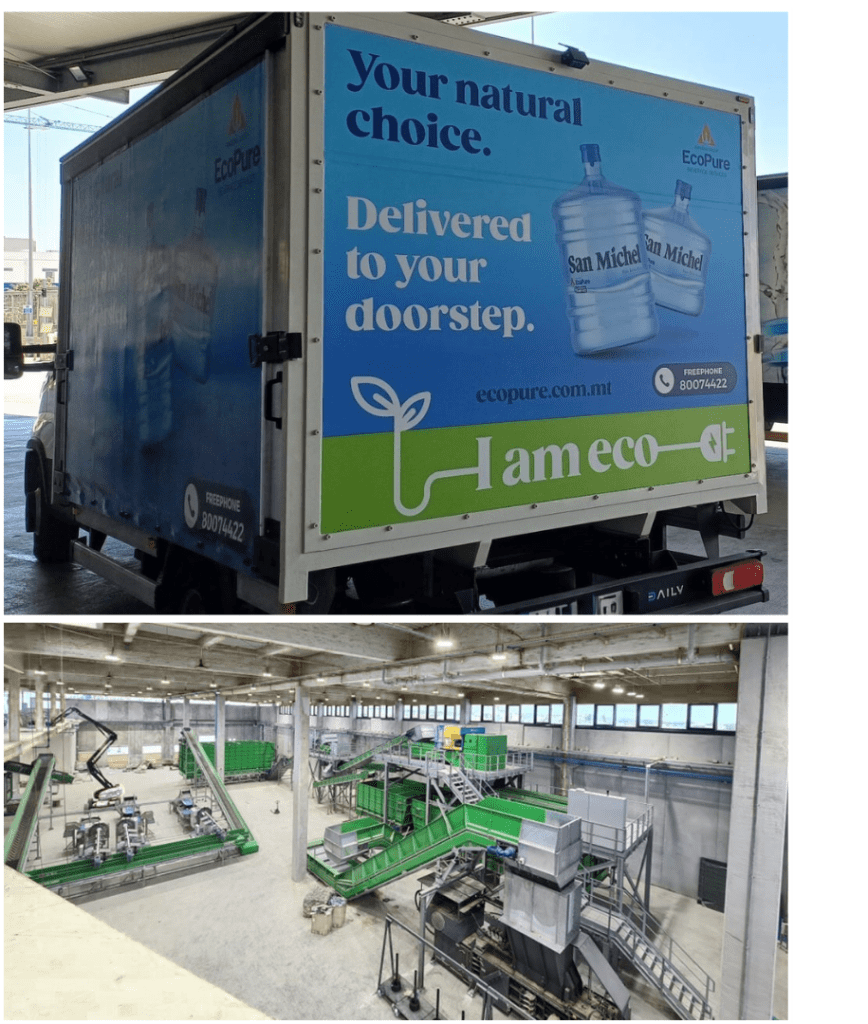
Increasing renewables from 5% in 2021 to a 25% target by 2026 reduces Scope 2 emissions and energy exposure. Moreover, the current implementation of an on-site LPG storage and distribution system will replace ~80% of diesel/gasoil use, cutting sulphur oxides, nitrous oxides and contributing to marginal GHG reductions. Further to this, water-efficiency measures embedded in operations have delivered a 4% reduction in water use per hl over four years, essential in Malta’s scarcity context. Fleet transition has also reached 17% electric vehicles, lowering internal logistics emissions. Also, once fully commissioned, internal operations will be further streamlined through a multi-million automated logistics facility which will centralize container reuse, improve refill rates and operational efficiency.
Upstream
A €2 million investment in the form of a CO₂ recovery plant captures CO₂ generated during beer fermentation and reuses it on-site, reducing dependence on imported industrial CO₂ and lowering transport-related emissions and supply risk. Going forward, the CO2 Recovery plant is estimated to generate 50% of annual CO2 requirements. Moreover, Farsons’ increased use of recycled PET supports circular input markets and reduces fossil-based plastics; the company is on course to exceed the 25% rPET requirement by 2025. Finally, packaging optimisation and expanded returnable/refillable formats have decreased virgin material demand.
Downstream
As a founding member of Malta’s deposit-return system, Farsons supports national circularity; 84% of eligible beverage containers were collected in 2024. Returnable/refillable containers reduce single-use waste, and low-emission distribution improves last-mile impacts. Overall, product safety and responsible consumption initiatives protect consumers and uphold brand trust.
Overall, it is evident that Farsons continues to make meaningful progress across a broad range of environmental and sustainability priorities, not only to ensure compliance with regulations, but more intentionally to improve its ESG credentials in the belief that it is the right thing to do for people, planet and profit.