Case study: Herdade da Figueirinha
Headquartered in the heart of Beja, Portugal, Herdade da Figueirinha stands as a leader in the agro-industrial sector. It merges excellence in olive growing, viticulture and premium wine with ongoing operational modernisation. Since 1998, the company has honoured tradition while pioneering innovation, sustainability and long-term value.
Figueirinha’s sustainability strategy prioritises climate and energy transitions, fostering modernisation and renewal. Through digitalisation and leveraging intangible assets, it optimises resources and enhances global value chain efficiency. Sustainability, rooted in social, economic and environmental pillars, guides strategic decisions and ensures responsible, future-oriented commitments.
Their sustainability strategy focuses on three key pillars:
Furthermore, Herdade da Figueirinha’s journey towards decarbonisation and effciency projects include:
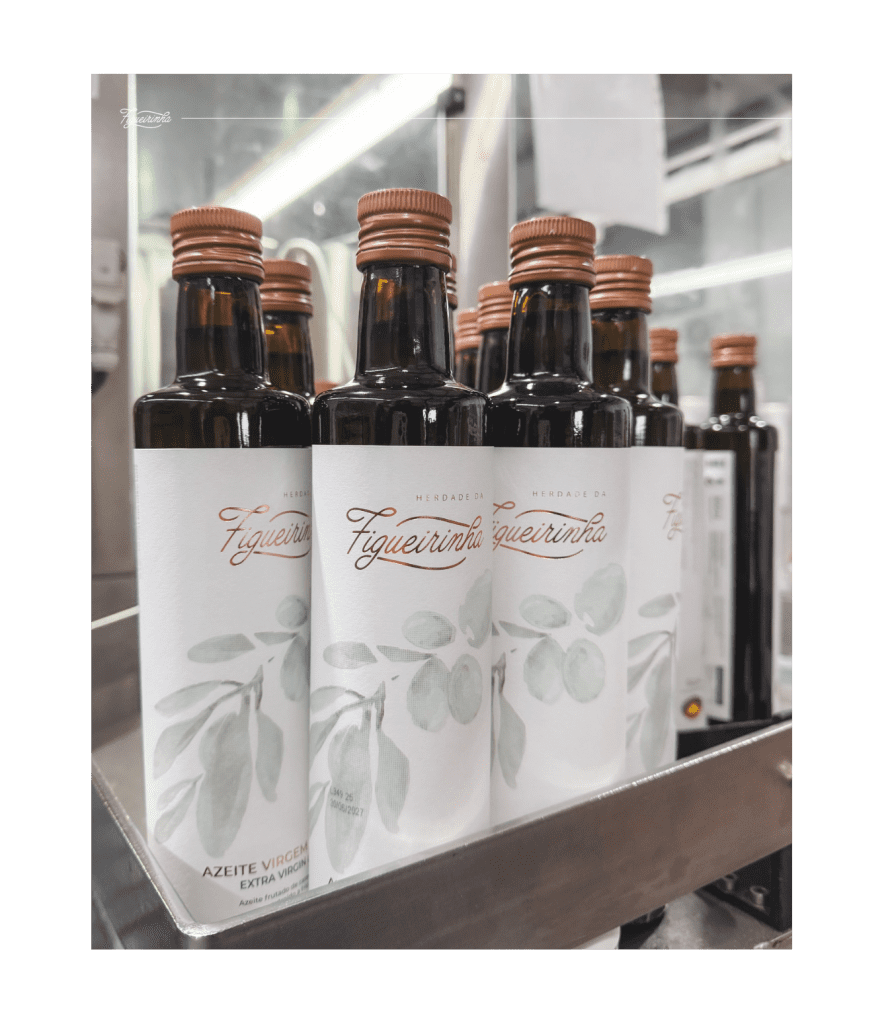
At Herdade da Figueirinha, sustainability is powered by renewable energy, circular resource management and a drive to minimise environmental impact in both production and packaging. These pillars ensure operational excellence, environmental stewardship, and enduring resilience across the agro-industrial value chain.
Herdade da Figueirinha views sustainability as an integrated effort across its entire value chain. Key intervention points span from production to packaging. Ongoing initiatives include better thermal insulation in fermentation and stabilisation tanks and replacing bottling chillers with more efficient units.
Future plans are ambitious and structured. The company aims to invest more in high-performance boilers and chillers, targeting annual energy savings.